Quick-Draw Confidence: Build a Modular Camera Bag That Protects

Today we explore modular camera bag organization for fast access and protection, turning chaotic gear piles into a calm, quick-draw system. Learn how modules, pouches, and labeled compartments work together to prevent damage, speed up lens changes, and reduce fatigue, so your creativity flows freely even when the light fades and the moment won’t wait.

Laying the Foundation: Bag Types and Module Systems
A great carry begins with the right base and a flexible interior. We compare backpacks, slings, messengers, and rollers, then map how cubes, dividers, and MOLLE-compatible pouches interlock. The goal: a structure that adapts to assignments, protects fragile optics, and never slows your hands.

Choosing the Right Base Bag

Capacity, access points, and build quality shape everything that follows. Consider side doors for quick lens swaps, rear openings for security, and rigid frames for balance. Weather resistance, hip belts, and ventilation matter, especially on long days where comfort preserves focus and steady hands.

Core Modules and Inserts

Soft cubes shield lenses, while hard cases cradle fragile bodies and audio gear. Hook-and-loop dividers create snug lanes for telephotos, primes, and flashes. Add slim battery banks, filter wallets, and cable wraps, keeping everything upright, rattle-free, and visible the instant your fingers reach inward.

Safety First: Protection Layers

Protection stacks like armor: dense foam, EVA walls, and suspended cradles disperse shocks. Rain covers, dry bags, and seam sealing stop drizzle turning disastrous. Silica gel reduces humidity swings, while lens caps and hood orientation prevent accidental knocks when crowds and curbs get unpredictable.

Fast Access Strategies That Save the Shot
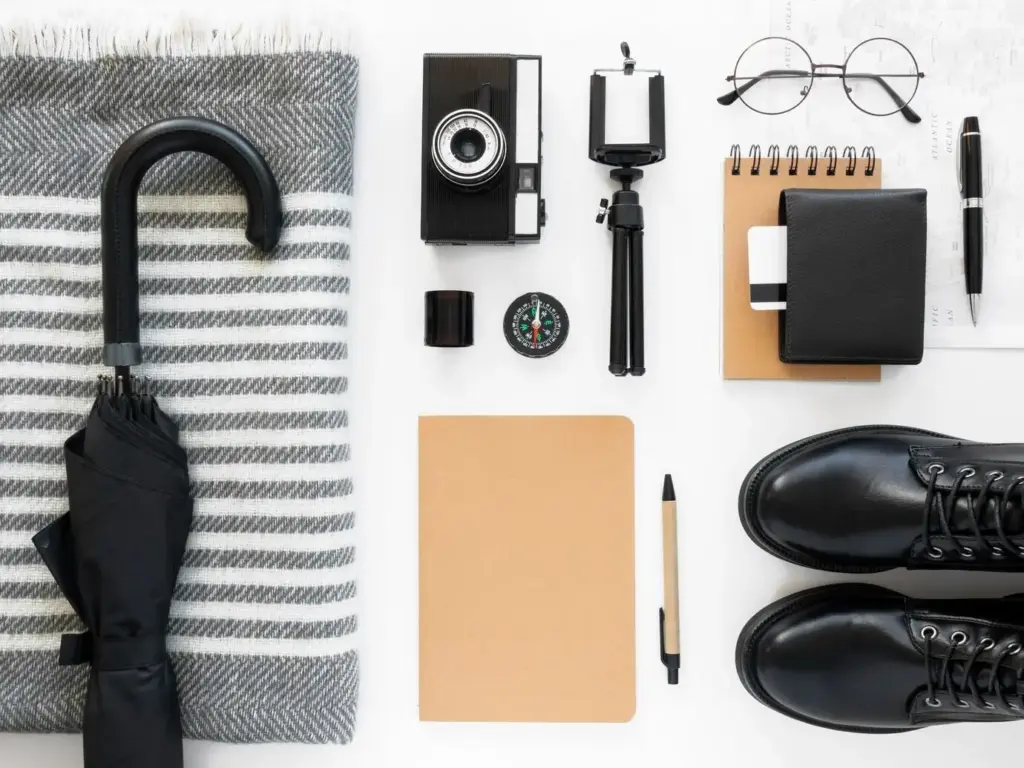
Speed determines whether a fleeting glance becomes a portrait or a missed opportunity. Build muscle memory with repeatable layouts, orient gear consistently, and keep critical tools on the outer arc. One-handed openings, color-coded pulls, and tethered lens caps transform frantic fumbling into graceful, confident motion.

Organization Systems: Labels, Colors, and Logic

Clarity prevents panic. Build a visual language across modules so your brain reads the bag like a map. Colors tag categories, textures confirm by touch, and discrete labels avoid broadcasting valuables. Reinforce with checklists and rotation rules that keep batteries fresh and media verified.

Color and Texture Coding

Assign warm colors to camera bodies and cool hues to lenses, then add raised dots or braided cords for tactile confirmation in the dark. This redundancy helps when adrenaline spikes, letting fingers decide correctly before your eyes even focus on tiny printed labels.

Labeling Without the Clutter

Use short codes on unobtrusive tabs: B1 for main body, P85 for portrait prime, FXF for flash. Place labels inside lid edges rather than outside panels. You’ll recognize everything quickly while passersby see nothing tempting, keeping attention off your most expensive tools.

Digital Inventory and Checklists

A simple spreadsheet or app tracks serials, maintenance dates, and loaned items. QR stickers inside modules jump to packing lists and firmware reminders. Before a shoot, run a sixty-second audit that confirms batteries, media, cleaning tools, and rain protection are present, charged, and ready.

Balancing Weight, Ergonomics, and Health

Load Distribution Science

Think in vectors: lens mass should sit low and central, counterbalanced by batteries or flashes opposite. Use internal compression straps to reduce sway, and choose frames with aluminum stays when carrying super-telephotos. Small changes compound, preventing hot spots, numb fingers, and lingering aches after shoots.

Straps, Harnesses, and Fit

S-curve straps distribute pressure away from nerves, while sternum sliders stabilize load during sprints. Add a waist belt to shift weight to your hips, and micro-adjust on the move. The result is less fatigue, fewer slips, and more stable, accurate framing under stress.

When to Roll, Not Carry

Airports, conventions, and long corridors reward rollers with shock-absorbing wheels and rigid shells. Save your shoulders for shooting by towing the heavy kit, then deploy a small sling for active work. Transferring modules takes seconds and keeps your body fresh throughout marathon schedules.

Environmental Protection: Weather, Dust, and Impact

Light rain, desert grit, and crowded subways challenge delicate mechanisms. Build defenses in layers: hydrophobic fabrics, seam sealing, and rain covers outside; padded cells and shock spacers inside. Add clear routines for drying, cleaning, and inspections so degradation never sneaks up between important assignments.

Wedding Day Rapid-Response Layout
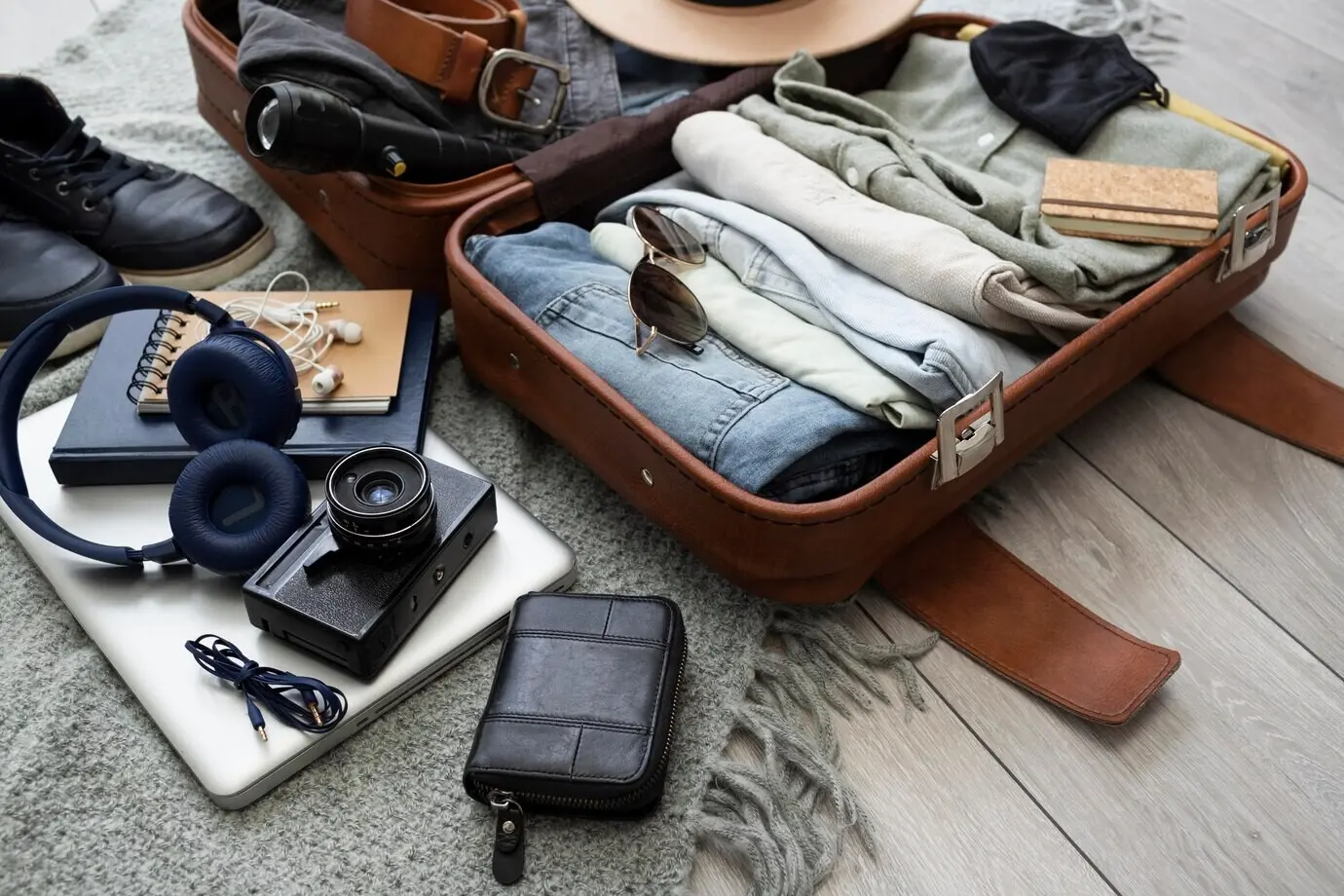
Two bodies ride high with fast primes; a stabilized zoom stays centered for ceremonies. Batteries live in bright pouches by the opening, matched in charged pairs. A tiny sewing kit, gaffer tape, and safety pins sit near cleaning tools for inevitable last-minute contingencies around family chaos.

Wildlife Patience and Reach-Oriented Build

A long lens occupies a padded tunnel with a lens foot cradle, while a beanbag and camo cover lie beside it. Snacks, hand warmers, and rain mitts occupy the lid. Teleconverters and extenders sit opposite batteries to counterbalance, keeping movements quiet on cold dawn approaches.

Community Tips, Iteration, and Sharing Your Loadout

Systems improve with feedback. After each shoot, review what slowed you down, what stayed unused, and which compartments caused friction. Share a photo of your layout, ask for peer critiques, and subscribe for upcoming breakdowns; together we’ll refine faster access without sacrificing gentle, durable protection.

Post-Shoot Reset Routine

Empty modules onto a clean surface, wipe dust, and recharge everything immediately. Repack with fresh silica gel and verified cards, then photograph the bag open for future reference. A reliable reset prevents creeping disarray and guarantees tomorrow’s start is calm, quick, and mistake-resistant.

Iterative Experiments and A/B Testing

Swap one variable at a time: move the main body left, change divider heights, or rotate batteries ninety degrees. Track results across three shoots. Data beats guesses, and the winning configuration becomes your new baseline, documented so muscle memory adapts smoothly and reliably.

Join the Conversation and Compare Notes

Tell us what layout saved your day, which pouch brand endured airports, and where your system still hesitates. Post questions, subscribe for field tests, and tag examples on social platforms. Collective iteration accelerates everyone’s progress while celebrating distinct styles, budgets, and creative missions across genres.
Zelantrivoxa
Privacy Overview

This website uses cookies so that we can provide you with the best user experience possible. Cookie information is stored in your browser and performs functions such as recognising you when you return to our website and helping our team to understand which sections of the website you find most interesting and useful.