
Carry Less, Capture More: Ultralight Hiking Camera Gear That Goes the Distance
Step onto the trail with ultralight hiking camera gear that delivers a complete, versatile setup without the usual bulk. We reveal weight-savvy bodies, lenses, supports, and packing tactics that keep you fast on steep miles while guarding image quality, comfort, and creative freedom. Share your loadouts and subscribe for field-tested insights.
Balancing Weight and Image Quality
Choosing what to carry starts with honest tradeoffs between sensor size, lens speed, durability, and grams on your back. We compare compact full-frame, APS-C, and Micro Four Thirds bodies, then map focal length coverage to terrain and light. With practical targets in grams and liters, you can keep your stride, preserve your knees, and return home with files that grade beautifully without exhausting yourself or your companions.
Modular Pouches and Wraps
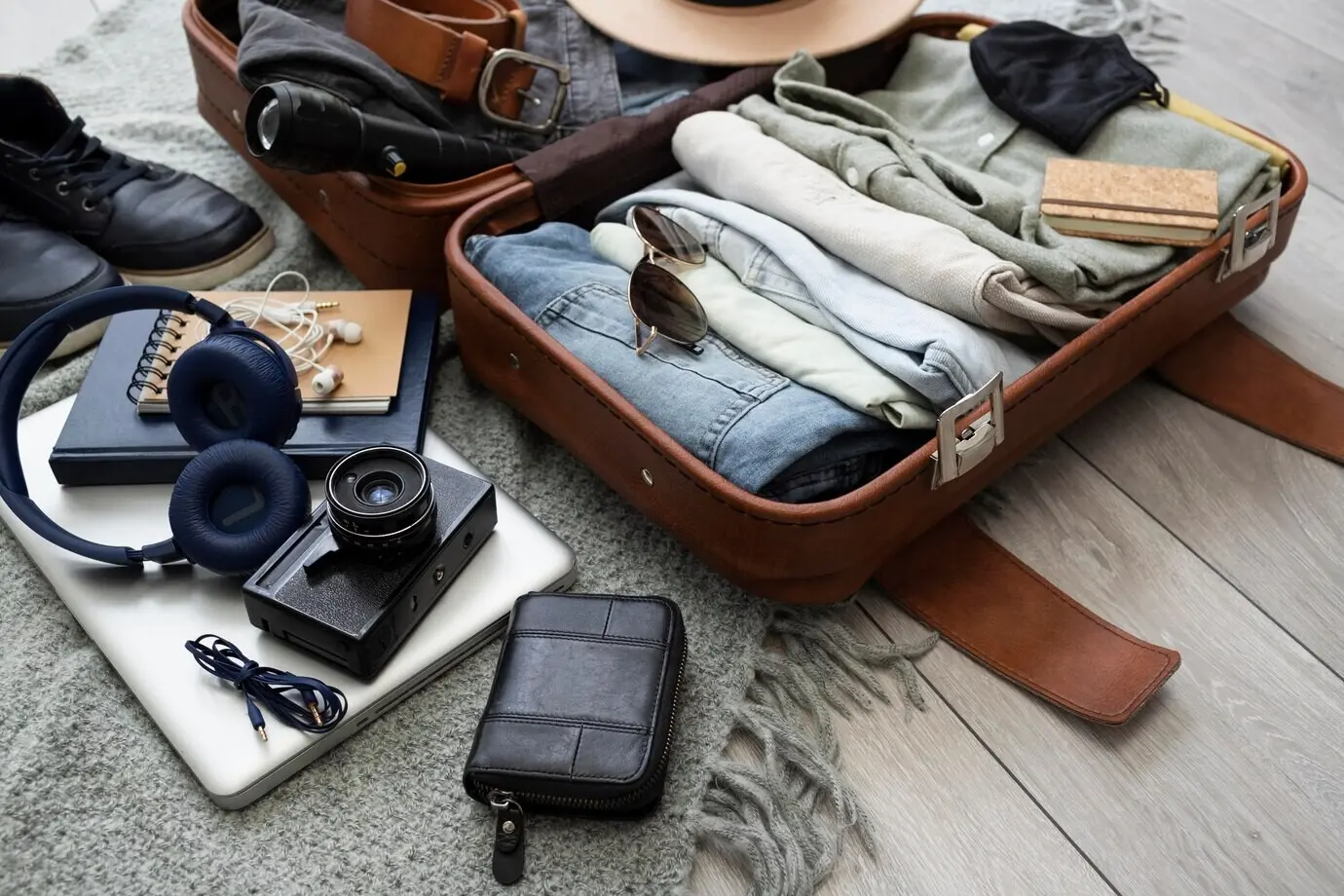
Instead of a heavy insert, combine a thin wrap around the camera with a lightweight lens pouch that clips near your sternum. This reduces digging and shifting while hiking steep grades. Add a microfibre cloth as shock isolator and lens wiper, and practice blind reholstering so you can secure gear without stopping in wind or drizzle.
Weatherproofing That Actually Works
A tiny DCF roll‑top sack keeps everything dry, but redundancy matters when clouds build fast. Pair the liner with a compact rain shell for your pack, keep silica gel packets in pouches, and stash a disposable shower cap as an emergency rain hood. The goal is staying ready, not hiding until storms pass.
Accessibility Beats Overprotection
If your camera lives deep in the pack, you will walk past magic. Aim for a two‑step draw: unclip, shoot. Use soft protection that yields instead of rigid boxes, and keep a lens cloth in a shoulder pocket. Accept minor cosmetic wear in exchange for photographs you would otherwise miss during fast‑changing mountain light.
Power, Storage, and Workflow Off‑Grid
Efficient Power Strategies
Note your true shot‑per‑battery average in mixed temperatures, then plan a margin for long exposures and night timelapses. Keep one warm in an inner pocket, one in the camera, and one charging. Use airplane mode, moderate display brightness, and fast sleep timers. A slim 10,000 mAh bank with PD can recharge multiple small packs while weighing surprisingly little.
Cards, Backups, and Peace of Mind
Carry several high‑quality SD cards rather than one massive card, spreading risk across the day. UHS‑II speeds help burst buffers clear, but reliability matters more than theoretical benchmarks. Back up selects to your phone using a tiny card reader, and protect everything in a waterproof pouch. Label cards clearly to avoid accidental formatting during fatigue.
On‑Trail Editing and Notes
Cull ruthlessly each evening so you start fresh, even when batteries are precious. Flag keepers in‑camera, jot exposure notes in your phone, and record GPS locations for later captions. Shooting RAW plus small JPEGs speeds review without crushing storage. These micro‑habits keep creative decisions flowing while weight and power stay under control.
Support and Stability for Sharp Shots
Stability is a force multiplier when you shed weight. Leverage in‑body stabilization, careful stance, and ultralight supports to extend shutter speeds without blur. Build a modular approach: mini tripod for camps, trekking pole adapter for summits, and natural supports everywhere else. The lighter your method, the more often you will actually use it when breathing hard.
Ultralight Tripods and Heads
Seek carbon options under one kilogram with simple leg locks and a compact ball head. Skip center columns where possible and hang your pack from a loop for extra stability. Consider spiked feet for soft soil, and keep a short Arca plate mounted. If setup feels fussy at home, it will slow you even more in crosswinds.
Trekking Poles as Camera Supports
A tiny 1/4‑20 adapter turns your existing trekking pole into a sturdy monopod or improvised bipod. Lean the pole against rock, brace your elbow, and shoot bursts at slower speeds. Combine with a self‑timer to dampen shake. This hack saves hundreds of grams compared to a second support while remaining ready the instant clouds ignite.
Real‑World Ultralight Kits and Weights
{{SECTION_SUBTITLE}}
Smartphone‑Forward Storyteller
A modern flagship phone with computational photography, clip‑on circular polarizer, ultralight handle, and optional micro gimbal can document an entire traverse. Add a tiny lav mic with foam windscreen, and keep a waterproof pouch on your shoulder strap. This setup weighs very little, edits quickly on device, and shares immediately when you find a ridge with signal.
Micro Four Thirds All‑Day Explorer
Pair a weather‑sealed body like the OM‑5 with a compact 12‑45mm f/4 and a small fast prime for dusk portraits. Two spare batteries, shared 58mm filters, and a carbon mini tripod round out the kit. You gain reach, macro‑friendly depth of field, and ruggedness while staying nimble on steep, rooty climbs where balance matters most.
Trail Lessons, Stories, and Community Tips
Experience sharpens judgment faster than spreadsheets. On a stormy ridge in the Sierra, a camera clipped to a shoulder strap let me catch a double rainbow between squalls because it was reachable in two seconds. On another trip, leaving a heavy telephoto at home saved energy for a sunrise scramble. Share your stories and subscribe for more field notes.