
Travel Light, Shoot Sharp: Carry-On-Only Minimalist Kits
Today we dive into minimalist travel photography kits for carry-on only, assembling compact, reliable tools that fit airline limits without dulling your creative edge. Learn how to choose lean gear, streamline workflows, and roam confidently, capturing powerful images while skipping baggage lines. Share your kit ideas, ask questions, and subscribe for ongoing field-tested packing lists, real-world anecdotes, and practical experiments that prove how less can genuinely unlock more.
Packing Principles That Keep Creativity Unpacked
Adopting a one-bag approach changes decisions instantly. Each item must justify its place, ideally covering multiple scenarios without introducing fragility. You’ll quickly discover creative constraints free you from indecision. Suddenly, scouting is lighter, transfers are smoother, and security checks are stress-free. Try a trial run at home: pack, unpack, time the process, and note pain points. Then remove one more thing. Tell us which single choice simplified your load the most.
Airlines differ wildly on personal item sizes, overhead allowances, and weight limits. Measure your bag carefully, including protruding straps and tripod feet. Keep gear dense but safe, distributing fragile items where impact is least likely. Consider wearing your heaviest pieces during boarding when allowed. Photograph your packed layout for quick repacking under pressure. Share your favorite compliant bags and any clever hacks that passed gate inspections without drawing attention or risking a forced check-in.
Redundancy provides security, but duplicates often sleep in the bag. Choose items that stretch roles: a compact zoom instead of three primes, a folding tabletop tripod that doubles as a handle, a lens capable of close focus. Focus on coverage, not excess. When everything works harder, you carry less, move stealthier, and respond faster. Comment with your most surprisingly versatile item that saved weight yet delivered results beyond expectations in unpredictable travel situations.
Camera Bodies That Punch Above Their Weight
Your camera should disappear in hand and luggage, yet deliver dependable files across changing light and weather. We’ll weigh APS-C and Micro Four Thirds agility against modern full-frame capabilities, with attention to battery life, stabilization, autofocus reliability, and dual-card security. The goal is confidence without bulk. Real stories matter: we’ll reference rainy alleys, night markets, and bouncing buses. Add your experiences with rugged bodies, silent shutters, and systems that felt invisible but never underpowered.
These formats excel for carry-on constraints: compact bodies, lightweight lenses, deep depth of field options, and strong stabilization. Modern sensors handle low light impressively, while smaller glass keeps your kit nimble. Autofocus tracking continues to improve, perfect for street and travel portraits. Consider weather sealing and USB-C charging. If you’ve photographed sunrise temples or dim cafes with tiny cameras that delivered big files, share your favorite body and why it earned a permanent slot.
Full-frame can live in a minimalist kit when chosen wisely. Look for compact bodies, lightweight primes, or a single quality travel zoom. Emphasize stabilization and high ISO performance to keep shutter speeds honest without a heavy tripod. Dual card slots remove the need for a second body. If you prefer shallow depth for environmental portraits, this approach shines. Tell us which full-frame combination kept you under airline limits while preserving the image look you love.
Carrying a second body is reassuring but heavy. Dual-card recording provides practical safety at a fraction of the weight. Pair it with disciplined daily backups and you achieve robust redundancy. Add a tiny strap wrench or extra plate screws instead of a full backup camera. Many professionals travel this way for short assignments. Do you trust mirrored recording and field backups, or do you still pack two cameras? Share your experience and reasoning to help others decide.
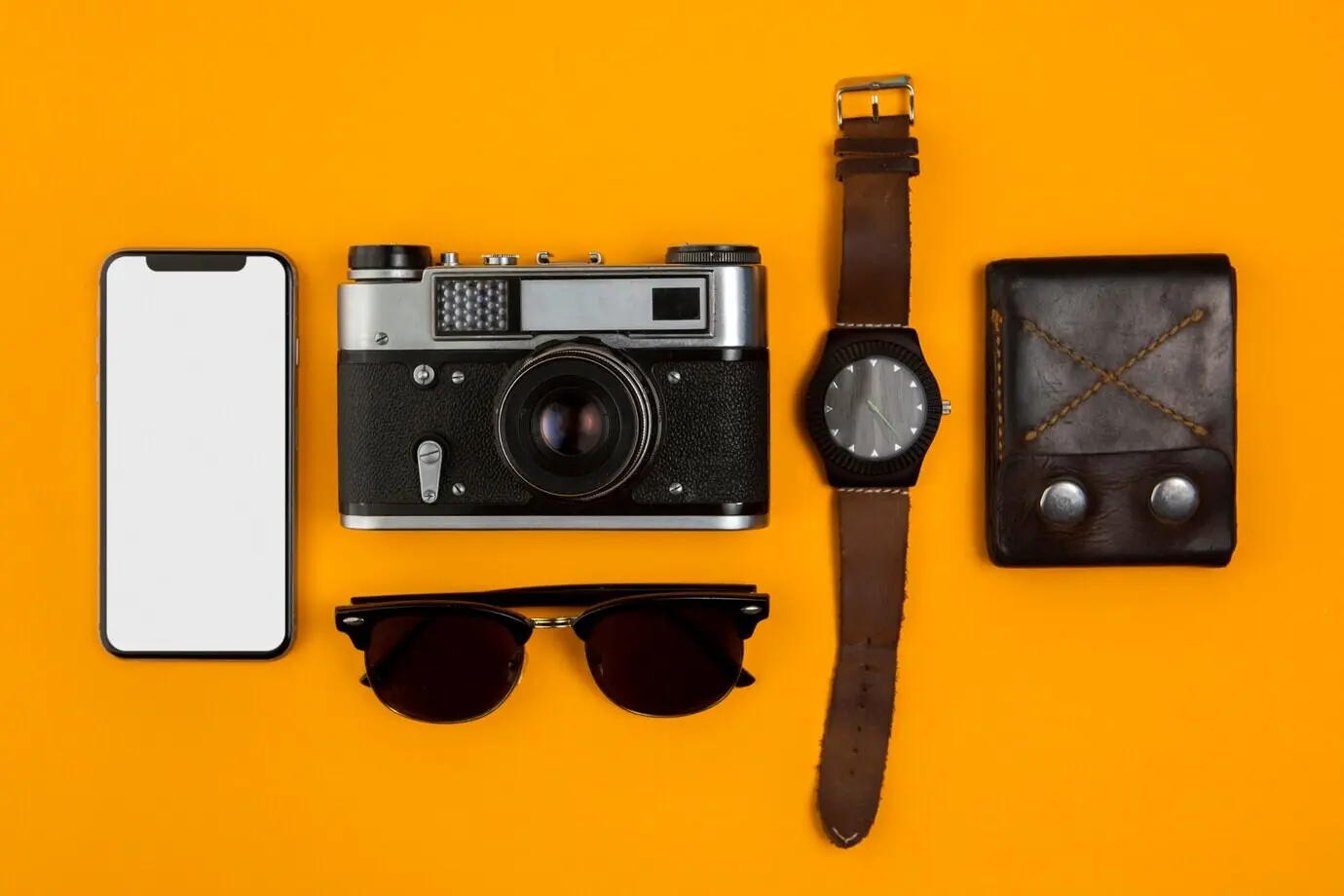
Lens Choices That Do It All
Fewer lenses can force stronger storytelling. One well-chosen zoom or two complementary primes can cover landscapes, portraits, and night scenes without constant lens swaps. Consider stabilization, close-focus capability, and weather resistance. Think about how you shoot: do you prefer framing with your feet, or flexible reach for fleeting moments? The right pair balances versatility and character. Describe your most used travel focal lengths and why they shaped your visual style while keeping your carry-on featherlight.
A high-quality midrange zoom condenses a bag full of glass into one reliable companion. Look for constant aperture, competent stabilization, and decent close focus. It lets you move fast through markets, rooftops, and ferries, reacting to changing scenes instantly. Pair with a lightweight body and compact strap system, and you’re ready for anything. Which zoom saved you from lens roulette while delivering consistent, pleasing rendering on the road? Share examples and lessons learned.
Two small primes can feel weightless yet expressive. A wide for context and a short tele for portraits typically cover nearly everything. You’ll enjoy brighter apertures for low light and creative separation without heavy glass. Swapping becomes intentional, slowing you just enough to compose deliberately. This approach fits tiny bags beautifully. If you’ve traveled with something like twenty-eight and fifty-five millimeters, tell us how it changed your discipline, shooting rhythm, and overall satisfaction during long days.
Close-up needs often appear unexpectedly: textures, food, crafts, and botanical details. Instead of packing a dedicated macro lens, consider close-up filters or lightweight extension tubes that weigh almost nothing. Many travel zooms also offer surprisingly usable close focus. Practice beforehand to understand working distances and sharpness. This setup earns its keep when curiosity strikes after lunch or during museum strolls. Share a moment when a tiny accessory unlocked a favorite detail shot, avoiding another heavy lens.
Support, Power, and Data You Actually Need
Tripods That Disappear in Your Bag
A table-top or ultralight travel tripod can stabilize night cityscapes, waterfalls, and timelapses while barely nudging your carry-on weight. Prioritize leg locks you can trust, a head that doesn’t creep, and feet that grip. Consider railings, benches, and rocks as improvised height helpers. Practice setups at home with gloves to simulate cold. Comment with brands and models that survived gusty overlooks, crowded sidewalks, and uneven cobblestones without becoming an anchor you regretted bringing through airports.
Charging Anywhere, Everywhere
One compact power bank with USB-C PD can replenish cameras, phones, and headphones while waiting for delayed flights. Pair it with a global adapter and a tiny multi-port charger, and you’re covered in hostels or studios. Keep cables short, labeled, and braided for durability. Recharge nightly as a ritual. If your camera supports direct USB-C charging, leave the bulky cradle behind. What charging setup kept you shooting during long trains, remote ferries, or power-cut evenings abroad?
Cards, SSDs, and Backup Discipline
Minimal kits rely on careful data habits. Use multiple smaller cards rather than one huge card to distribute risk. Back up each evening to a pocketable SSD, then separate it from the camera bag. Consider verifying copies with simple checksums or in-camera playback. Keep a second SSD at accommodations for redundancy. Share your streamlined backup routine and any mistakes that taught you better habits, especially when editing on a tablet or tiny laptop far from home.
Personal Item vs. Carry-On: Load Split
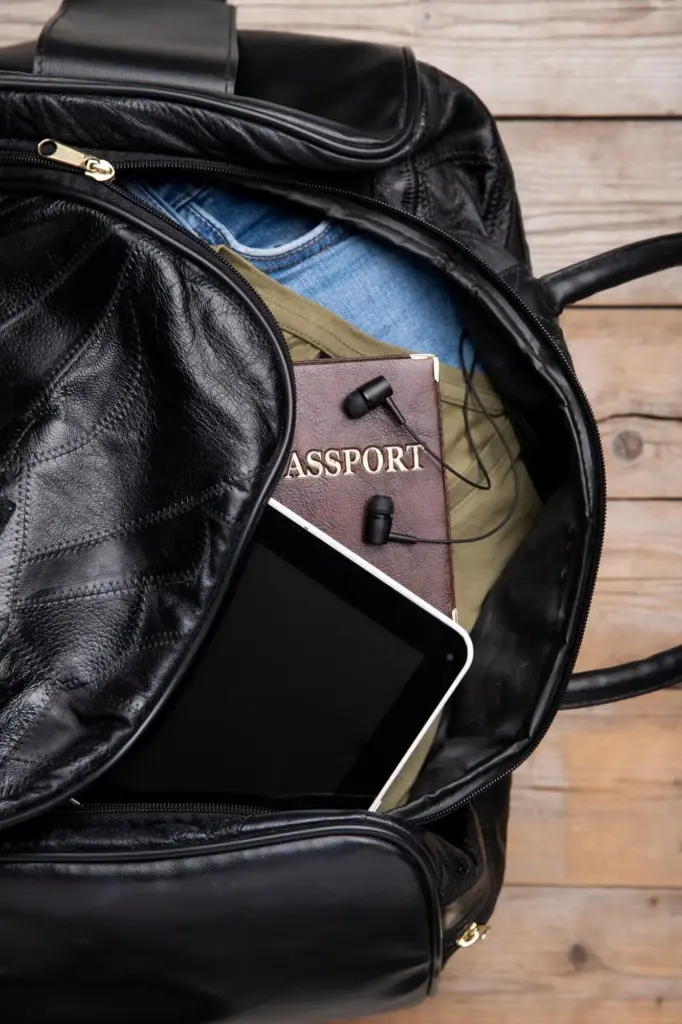
Balancing the load across a personal item and overhead bag prevents headaches at the gate. Keep the camera, passport, and essentials under-seat for fast retrieval, with heavier, less fragile items overhead. This split improves security, comfort, and adaptability during tight transfers. Map your layout to muscle memory before leaving home. Which items do you keep within arm’s reach, and what safely lives above? Share packing maps that helped you board swiftly and move confidently through long days.
Insert Modules and Packing Cubes
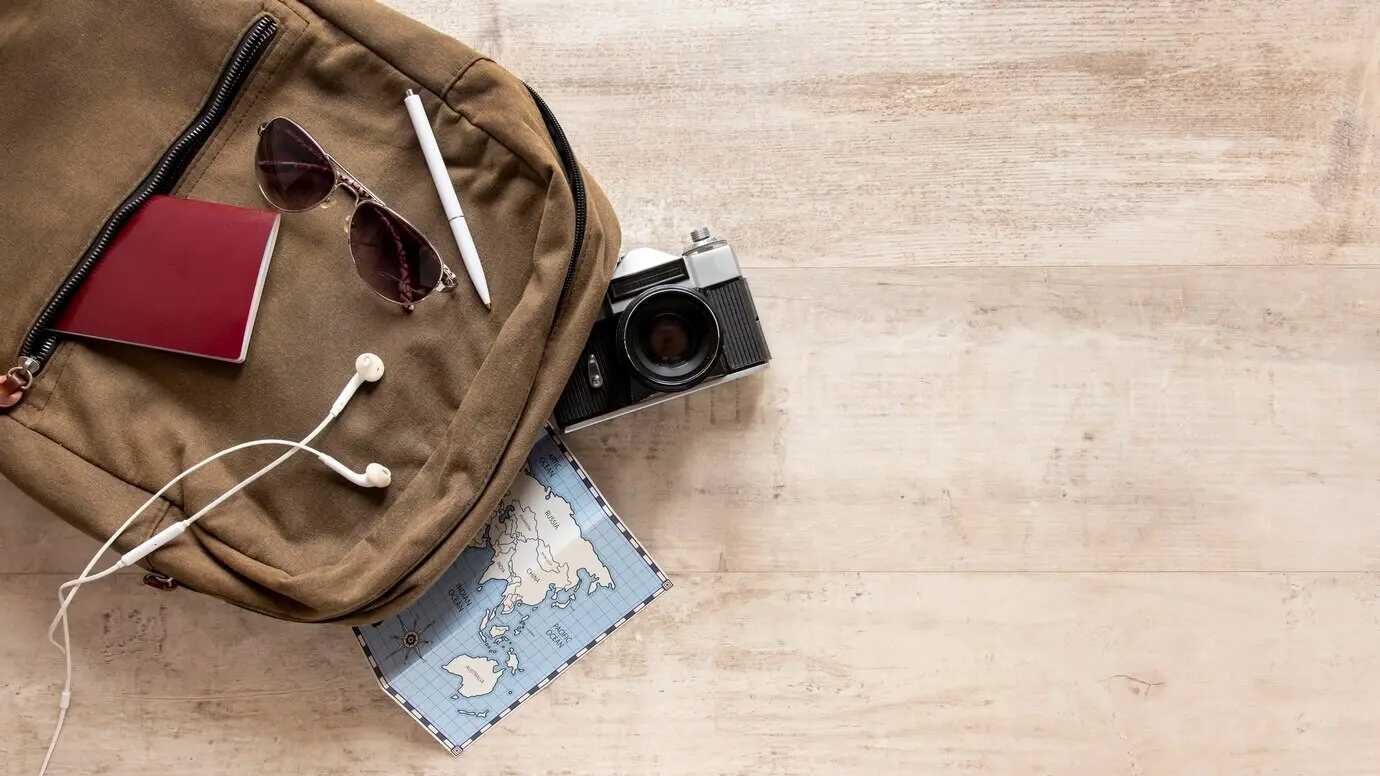
Camera cubes and slim organizers transform any ordinary backpack or tote into a quiet, efficient shooting system. They add structure, protect lenses, and prevent cable spaghetti. Choose light, compressible designs with grab handles and flexible dividers. Color code if possible. Rehearse how quickly you can deploy in cramped spaces. If you’ve adapted a non-camera bag with a clever insert, describe the configuration, what stayed put, and what shifted after a month of daily travel shooting.
Airport Security Without Panic
Security lines expose weak packing habits. Keep batteries accessible, laptops and tablets stacked, and cameras ready for trays if required. Transparent pouches speed inspection. Know regional rules for batteries and drones to avoid delays. Arrive early and breathe—calm helps everything. If you’ve developed a repeatable sequence that sails through checkpoints, share it. The right choreography saves minutes, reduces attention, and protects sensitive gear from hasty handling by keeping your process smooth, obvious, and courteous.
Pre-Trip Checklists That Fit on a Card
Put your entire preparation on a pocket-sized card: batteries charged, cards formatted, firmware updated, cleaning kit packed, rain cover included, travel insurance documented, and serial numbers recorded. Practice assembling and re-stowing quickly. The smaller the list, the better it works. Snap a photo of the card for cloud backup. What would your concise checklist include, and which single line item prevented disaster? Share a printable version others can adapt to their own minimalist packing style.
Daily Culling and Backup Rituals
Culling every evening reduces anxiety and forces clarity. Mark keepers while the day’s memory is fresh, then copy selects to a tiny SSD. Consider a secondary copy to cloud when bandwidth allows. Rename files by date and location for painless retrieval. This habit protects you from accidental card failures and leaves mornings clear. Describe your rating system, favorite mobile apps, and the minimal hardware that sustained consistent editing even on night trains or crowded hostel tables.
Shooting Smarter With Limited Gear
Constraints push intention. Pre-visualize sequences, lean on footwork, and choose backgrounds carefully. Use stabilization and burst judiciously rather than cranking ISO endlessly. Embrace natural reflectors—white walls, sidewalks, and open shade. Build micro-routines for portraits, food, and transitions. Limited gear encourages faster decisions and stronger narratives. Explain one technique that transformed your travel results with a single camera and one lens, and invite others to challenge themselves during their next weekend city escape.
The Morning Market in Hanoi With One Lens
A single midrange prime kept movement discreet among crowded stalls, where stepping closer mattered more than zooming. Without extra lenses to juggle, connection came easier, and reactions grew faster. The lens’s quiet focus calmed subjects. Later, reviewing images, the limitation revealed consistent framing and a cohesive set. If you’ve navigated busy markets with minimal gear, describe how you balanced respect, speed, and storytelling while protecting your bag and keeping hands free for gestures and greetings.
Stormy Coastlines With a Tabletop Tripod
Packing only a tiny tripod felt risky until wind and spray demanded nimble setups beside slippery rocks. By bracing on driftwood and low walls, long exposures held surprisingly steady. The little support fit in a jacket pocket, making repositioning effortless between bursts of rain. This experience cemented the value of tiny tools. Share how you stabilize in difficult weather using minimal equipment and what practices saved your shots while staying within strict carry-on limits.